

How it differs from a periapical view
A bitewing shows the crowns and the space between the teeth. A periapical view goes deeper and includes the whole root and the region around its tip.
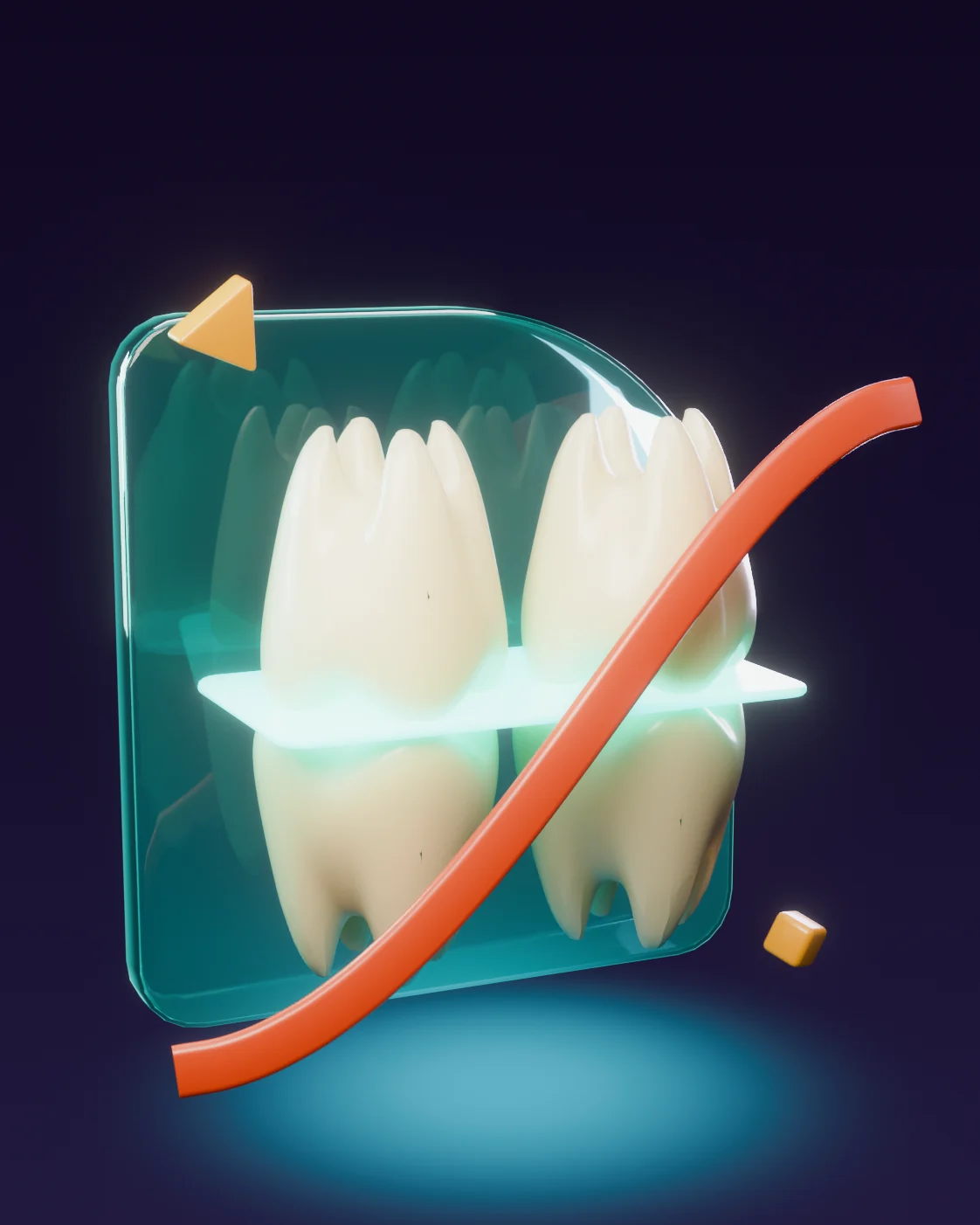
An intraoral view that shows the crowns of the upper and lower back teeth together, along with the alveolar bone in the same region.
Bitewing views are made so that the surfaces where teeth touch, upper and lower, appear in the same image. They mainly help with questions about decay between the teeth and about bone level, always following your own referral.
A bitewing shows the crowns and the space between the teeth. A periapical view goes deeper and includes the whole root and the region around its tip.
There is no single interval that suits everyone. Whether a new image is needed is decided by your dentist, based on the clinical examination, your own risk and any suitable previous images that already exist.
We deliver the digital views as an organised set, by side and region.
A report is written where one has been requested, and it supports the professional looking after you. It is not a treatment plan.Selected guidelines and publications related to the content of this page. Each link opens the publication on the relevant organisation’s website.
Request the examination on your referral or contact our team about working with DentalRay and referring patients.